
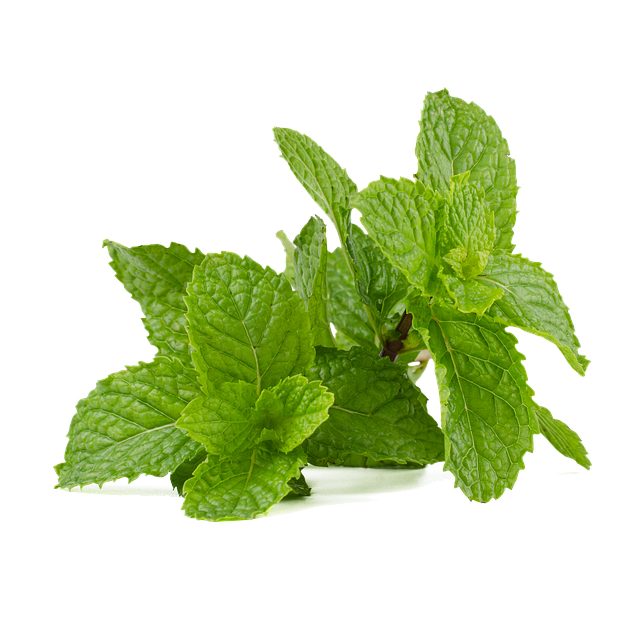
Peppermint is a hybrid species of mint, a cross between water mint and spearmint. Indigenous to Europe and the Middle East, the plant is now widely spread and cultivated in many regions of the world. It is occasionally found in the wild with its parent species.
Peppermint makes a great garnish for desserts, beverages, lemonade, and iced tea.
Sow outside one to two weeks after average last frost date, when soil temperature is 68°–75°F. Alternatively, start seeds indoors six to eight weeks before average last frost date. Lightly press seeds into surface of soil. Seeds need light to germinate. Plant a group of three seeds every 12 inches, then thin to one plant every 12 inches once two sets of true leaves emerge.
Plants grow quickly, self-seed and spread aggressively if not controlled. To control growth, cut off seed heads before they have a chance to dry and spread. Cut back mint after flowering to produce a fresh flush of leaves. Mint can be planted in containers to control its spread.
To harvest, cut several inches of top growth off the plants at flowering during the first year. On established plants, two or three cuttings near the base of the plant may be made in a season. The leaves may be used fresh or dried.
Allow the plant to go to seed, making sure to harvest flower pods before they break. Separate the dried stalks from the stem. Roll dried flower or stalk over your open palm and separate the tiny seeds from the chaff. Store in a cool, dry place for up to three years.